
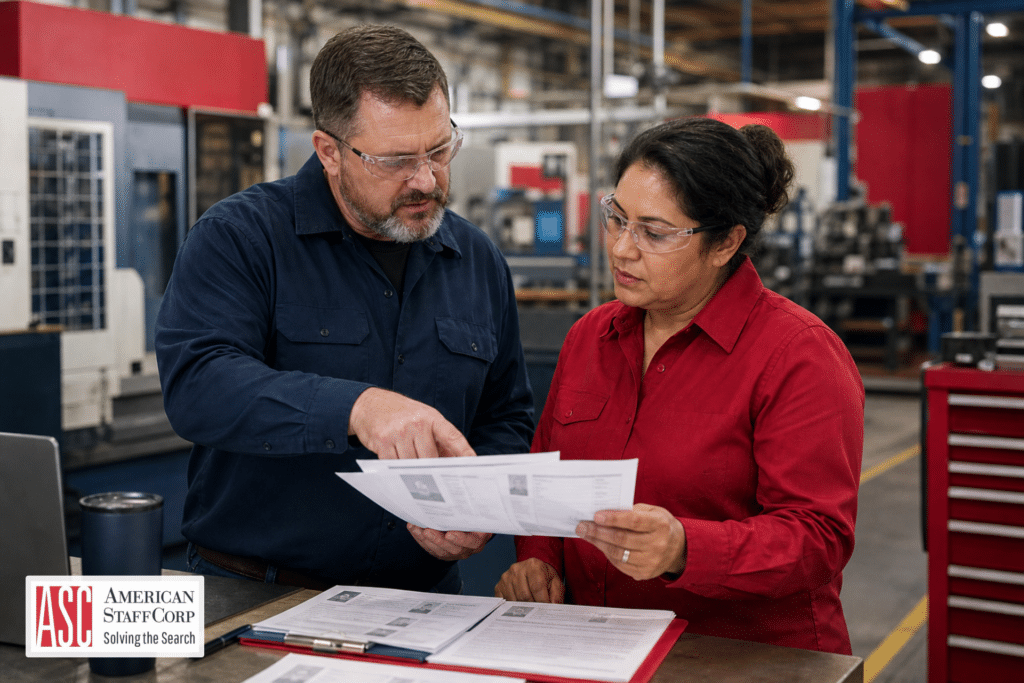
A slow or confusing hiring process can cost your company more than time. Qualified candidates often pursue several opportunities at once, and employers that delay decisions or communicate inconsistently risk losing strong applicants to competitors.
Recognizing common hiring process problems can help you improve the candidate experience, reduce vacancies and make better hiring decisions.
1. Candidates Wait Too Long for Feedback
Long gaps between interviews, feedback and offers can cause candidates to lose interest. Even when your team needs additional time, silence may suggest that the position is no longer a priority.
Establish a standard communication window for every hiring stage. Candidates should know when they can expect an update after an interview. Assigning one person to manage communication also reduces the risk of applicants receiving conflicting information.
2. Job Requirements Are Vague or Unrealistic
Job descriptions with unclear responsibilities or an excessive list of qualifications can discourage capable candidates from applying.
Before posting a position, identify which requirements are essential and which skills can be taught after hiring. Frontline supervisors should review job descriptions to confirm they reflect the actual work, schedule and performance expectations.
Employers can also use hiring data to determine which qualifications are associated with successful performance. Learn more about using data to improve hiring decisions.
3. Communication Changes Between Hiring Stages
Candidates notice when recruiters, managers and supervisors provide different information about schedules, pay, responsibilities or hiring timelines.
Create a consistent process for communicating job details and next steps. Everyone involved should work from the same position summary and candidate timeline. This creates a more professional experience and helps applicants make informed decisions.
American StaffCorp’s employer staffing services can help companies manage sourcing, screening and candidate communication more efficiently.
4. Your Screening Process Is Too Restrictive
Focusing only on exact credentials or years of experience can eliminate candidates who have strong transferable skills, practical ability and a willingness to learn.
Separate nonnegotiable qualifications from preferred experience. For manufacturing, warehouse and industrial positions, practical assessments or structured interview questions may reveal more about a candidate’s ability than a resume alone.
An overly restrictive process can also contribute to poor hiring decisions. Review the hidden costs of a bad hire to understand why both speed and fit matter.
5. The Hiring Timeline Does Not Match Business Needs
If an open position is affecting production, customer service or employee workload, your recruiting process must reflect that urgency.
Avoid handling sourcing, screening and scheduling as completely separate steps. When possible, complete these activities at the same time, reserve interview blocks in advance and confirm who has final hiring authority.
For specialized or difficult-to-fill positions, direct hire staffing can provide focused recruiting support while your internal team continues managing operations.
Improve Your Hiring Process Before More Candidates Leave
Review the time between each stage of your hiring process, clarify job requirements and establish consistent candidate communication. Small changes can improve hiring speed without lowering your standards.
American StaffCorp helps Oklahoma and Missouri employers recruit qualified candidates for manufacturing, industrial, skilled labor, clerical and professional positions.
Request an employee to discuss your open positions and current hiring challenges.
